Listen first
Understand the vehicle or equipment, the part family and the procurement problem that needs solving.

People and process
Fitment involves more than a part name. It takes a clear view of the vehicle, the interface and the conditions in which the part will be used.
Our approach
A useful wheel-end inquiry can begin with an existing component, a service requirement or a drawing. Each starting point carries different information, and each deserves careful attention before a specification is treated as complete.
Understand the vehicle or equipment, the part family and the procurement problem that needs solving.
Collect dimensions, load, fastener interfaces and operating conditions in a common brief.
Track the open questions, requested documentation and specification revision through the discussion.
A measured value, its unit and its source are more useful than an assumption. We encourage buyers to flag information that still needs confirmation.
Wheel geometry, load and environmental exposure belong in the same discussion. A part number alone may not describe a changed vehicle or service condition.
Applicable tests and certificates should be considered against the product, market and evidence actually available for the request.

Helps organize the request and communicate the next information needed.
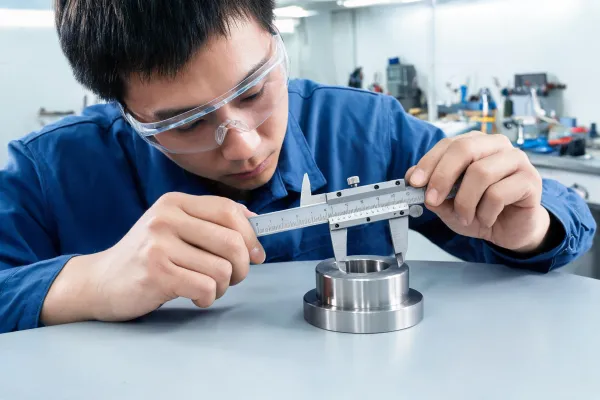
Brings dimensional and application questions into focus for a specific part.
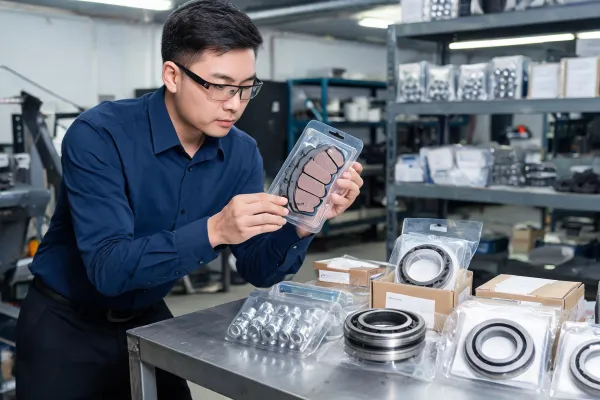
Connects quantity, packaging and delivery expectations to the inquiry.
Quality system certificates and product approvals are different kinds of evidence. Any requested ISO or IATF documentation, or applicable market-specific wheel standards, should be checked against its current scope and the product under consideration.
Tell us where your wheel-end project stands and what information you need next.
Contact our team