Application review
Gather platform, year and part reference to define the intended application.
Support for the details
Good sourcing starts with a shared understanding of the wheel interface, intended service and evidence required. Our inquiry process makes those details easier to communicate.
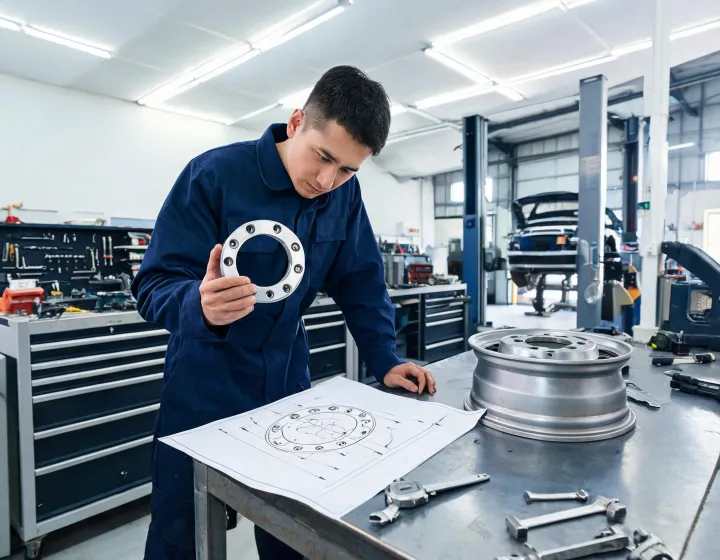
Gather platform, year and part reference to define the intended application.
Document PCD, bore, offset, threads and mounting geometry for the relevant part.
Describe the workshop process, replacement timing and packaging needs.
Identify the target market and the documents that must accompany a quotation.
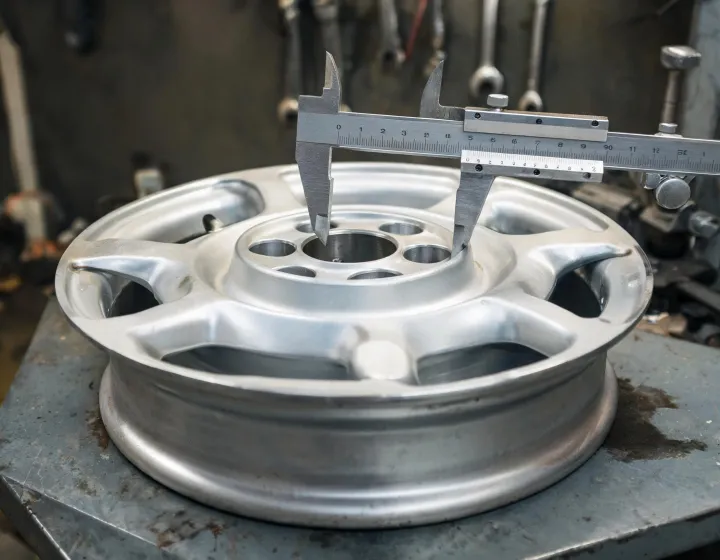
Start with two separate measurements: the wheel center bore and the hub pilot diameter. Add vehicle identification, material preference and the expected quantity. These inputs give a reviewer a meaningful basis for discussing an appropriate ring.
If the dimensions are uncertain, mark them as provisional and explain how they were measured. A drawing or clear photograph can help resolve ambiguity before any part is selected.
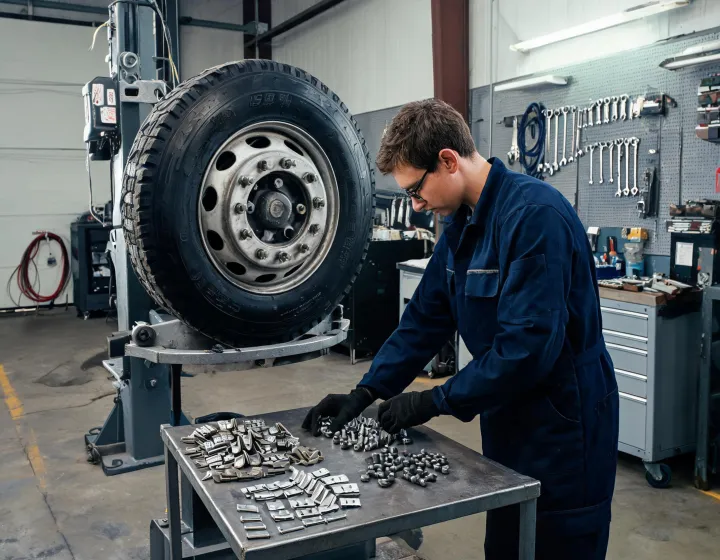
For a wheel weight or fastening inquiry, describe the vehicle group, wheel construction, operating load and the workshop procedure. The intended region can affect the documentation and product requirements that need review.
Keep changes to dimensions, finish or packaging tied to a revision, so the team can compare later orders against the agreed specification instead of relying on an old description.
Platform and year
Dimensions and threads
Load and conditions
Market and scope
A partial brief is a useful start. Tell us which measurements are confirmed and which still need discussion.